Healing through reconciliation
Lessons from Rwanda’s Path to Peace
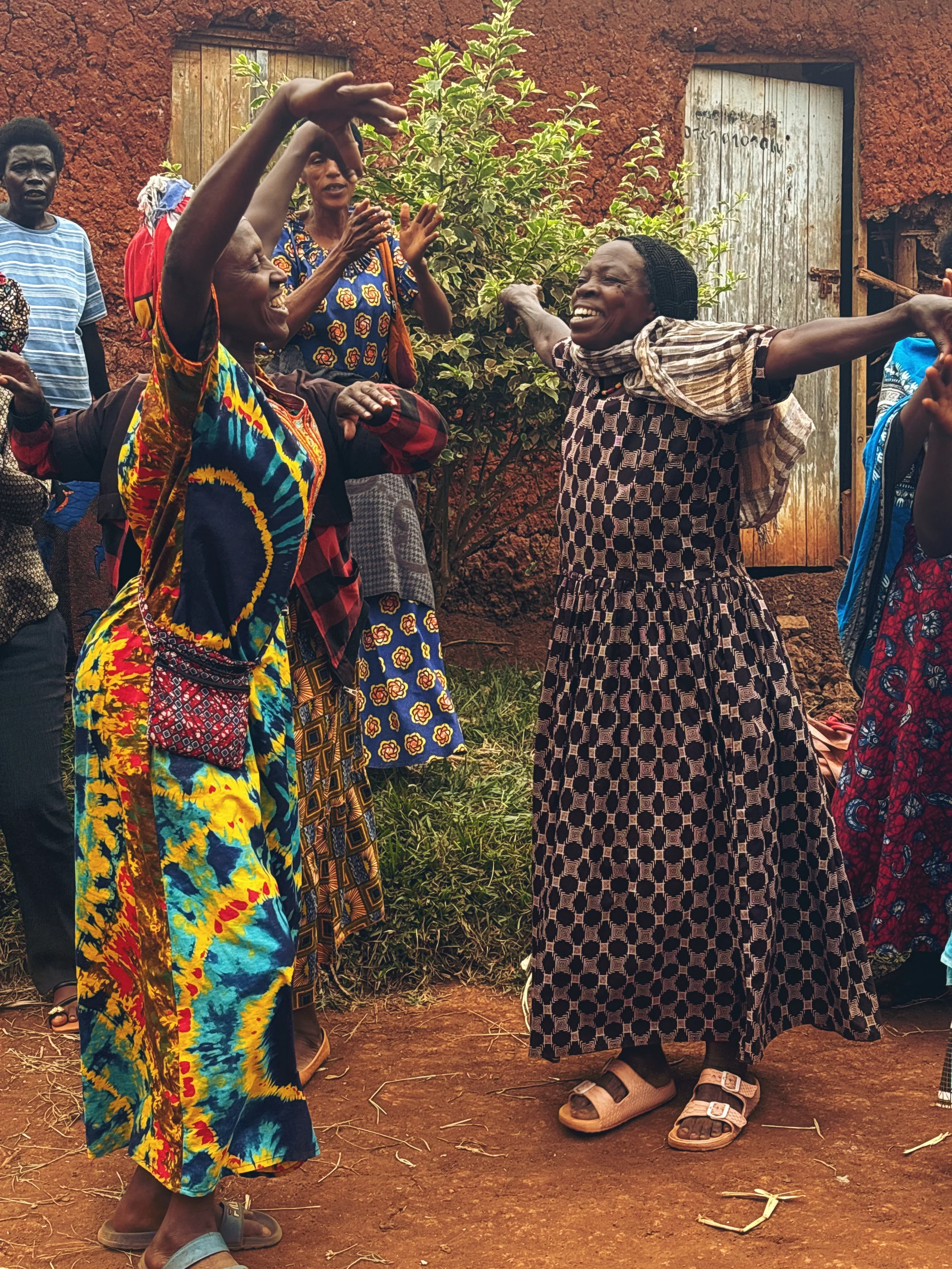
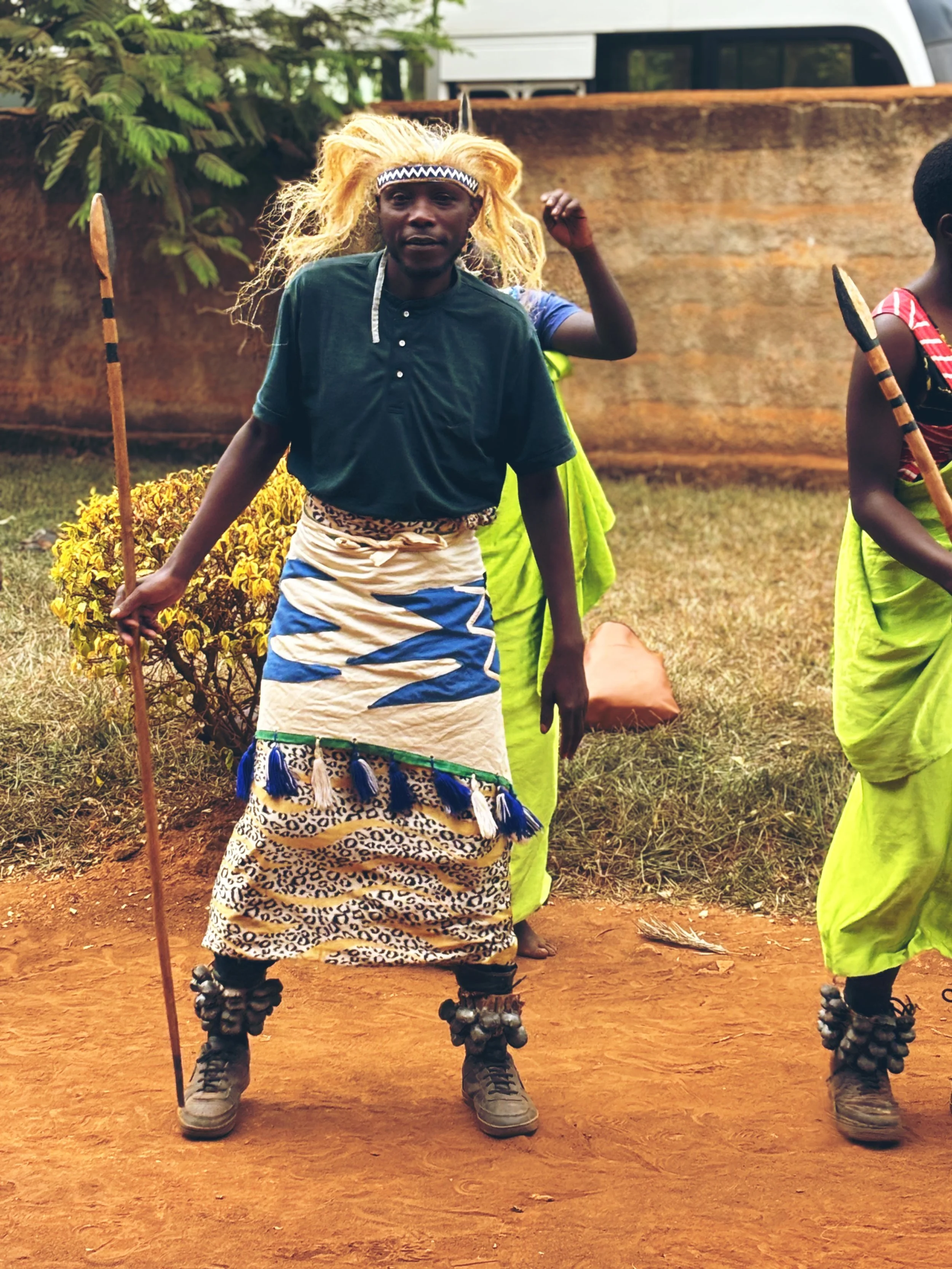
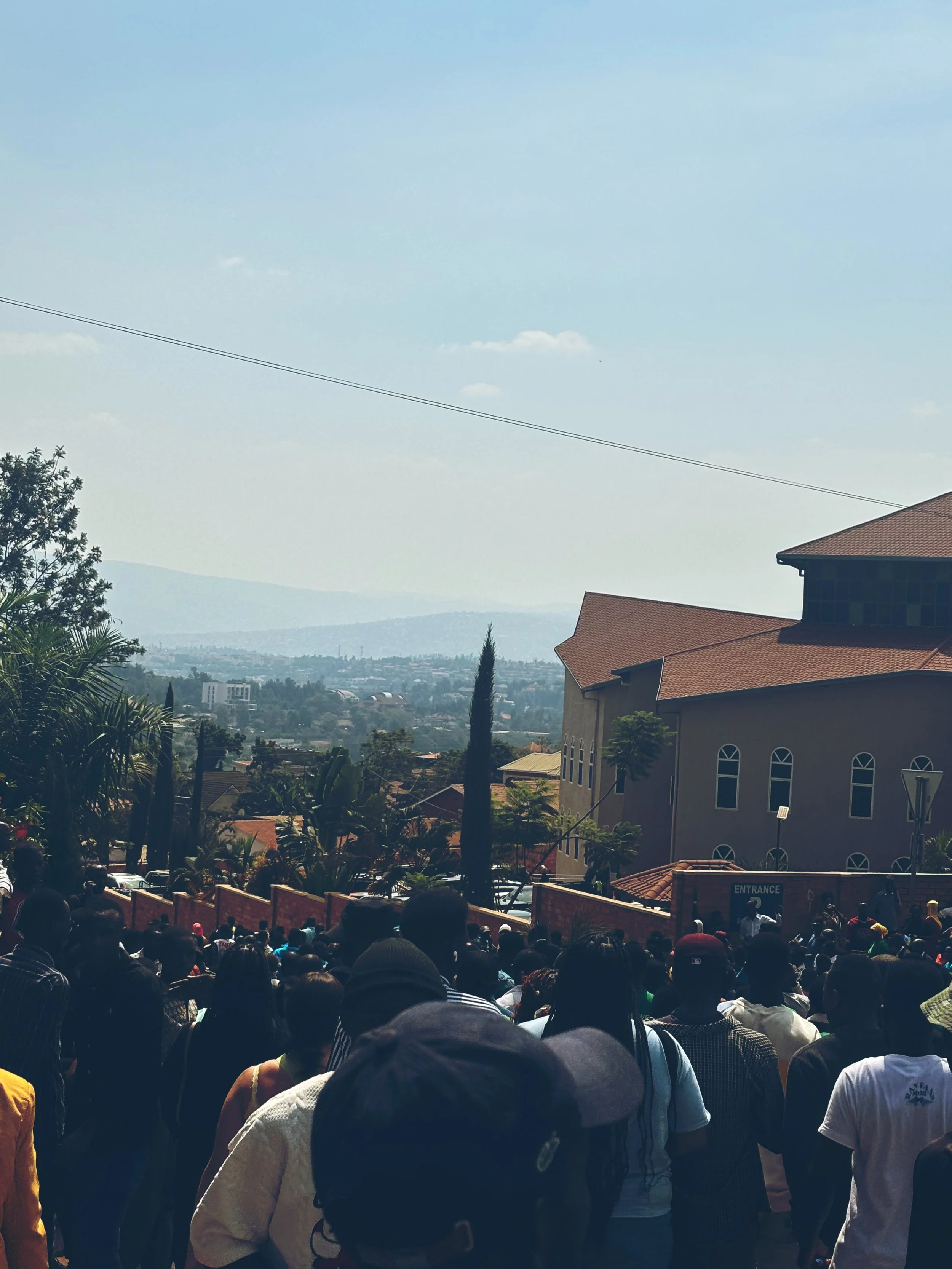
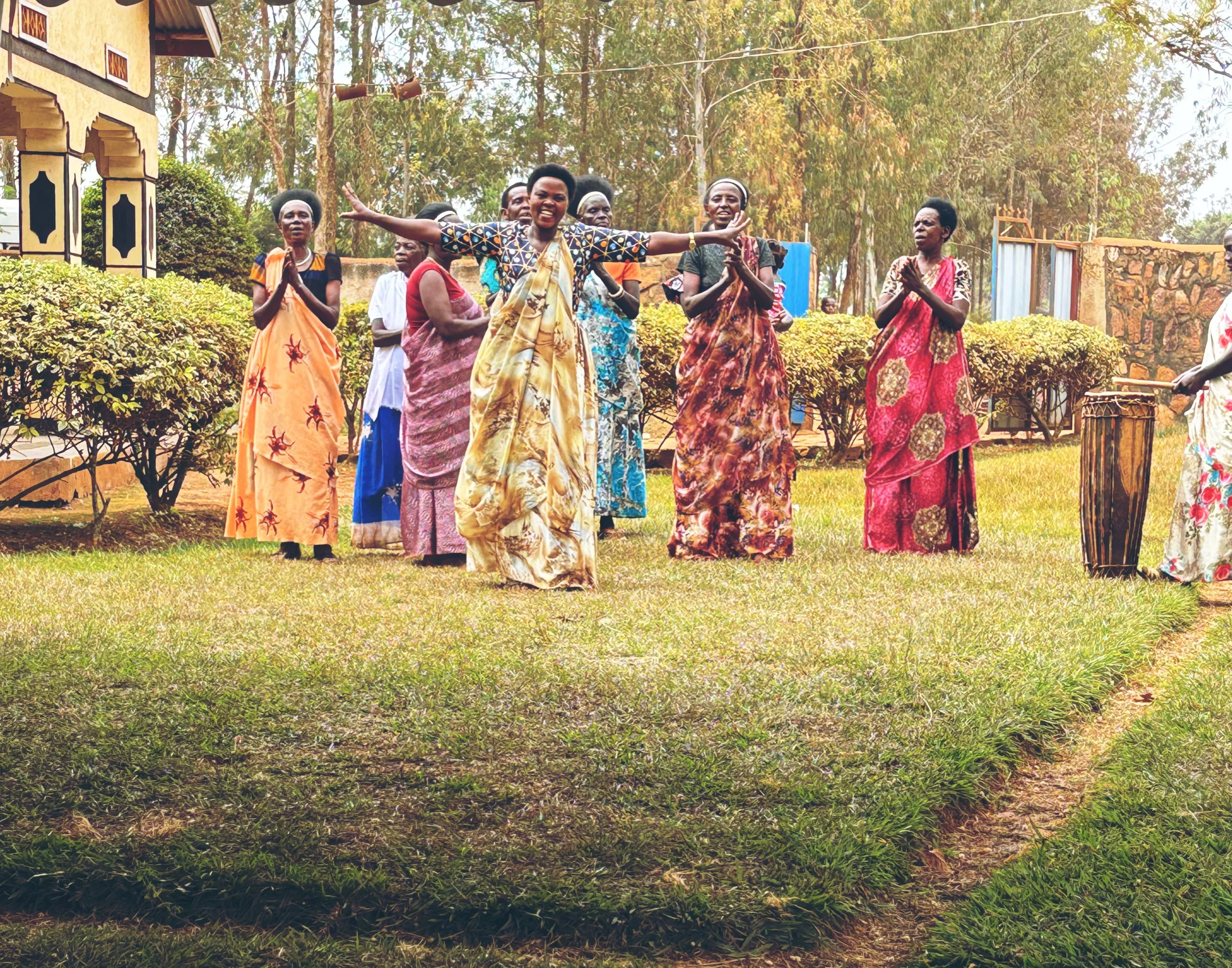
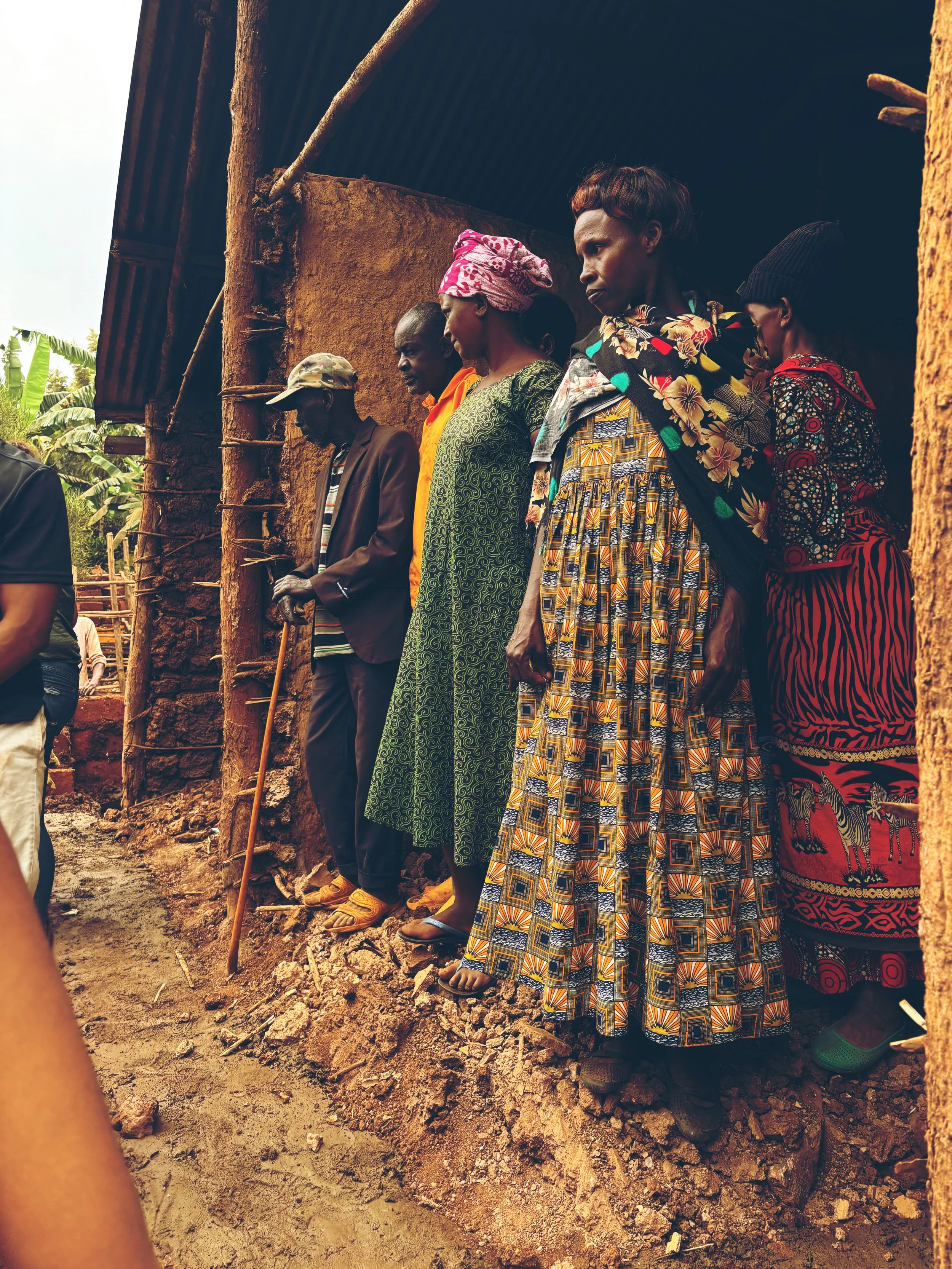
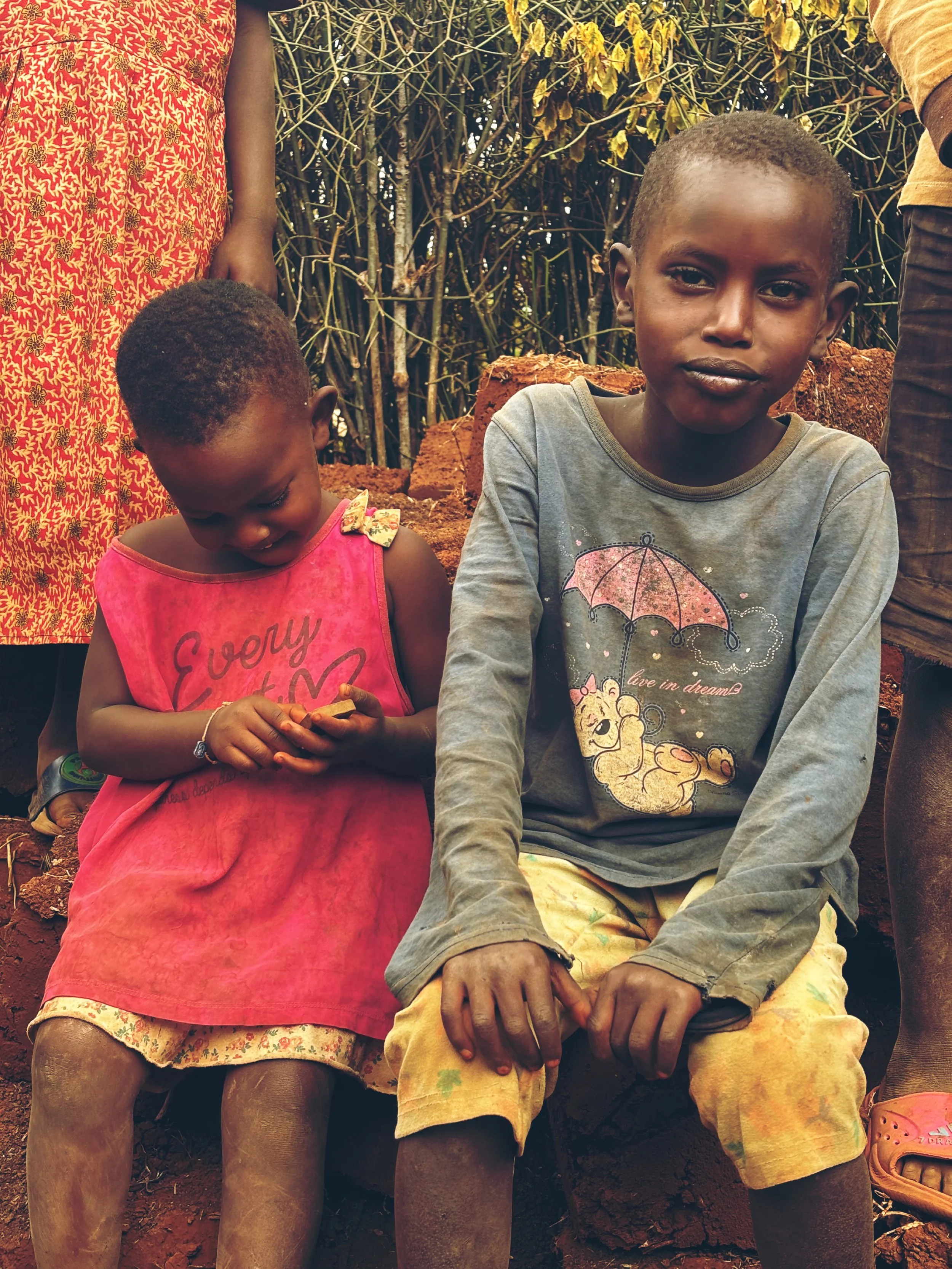
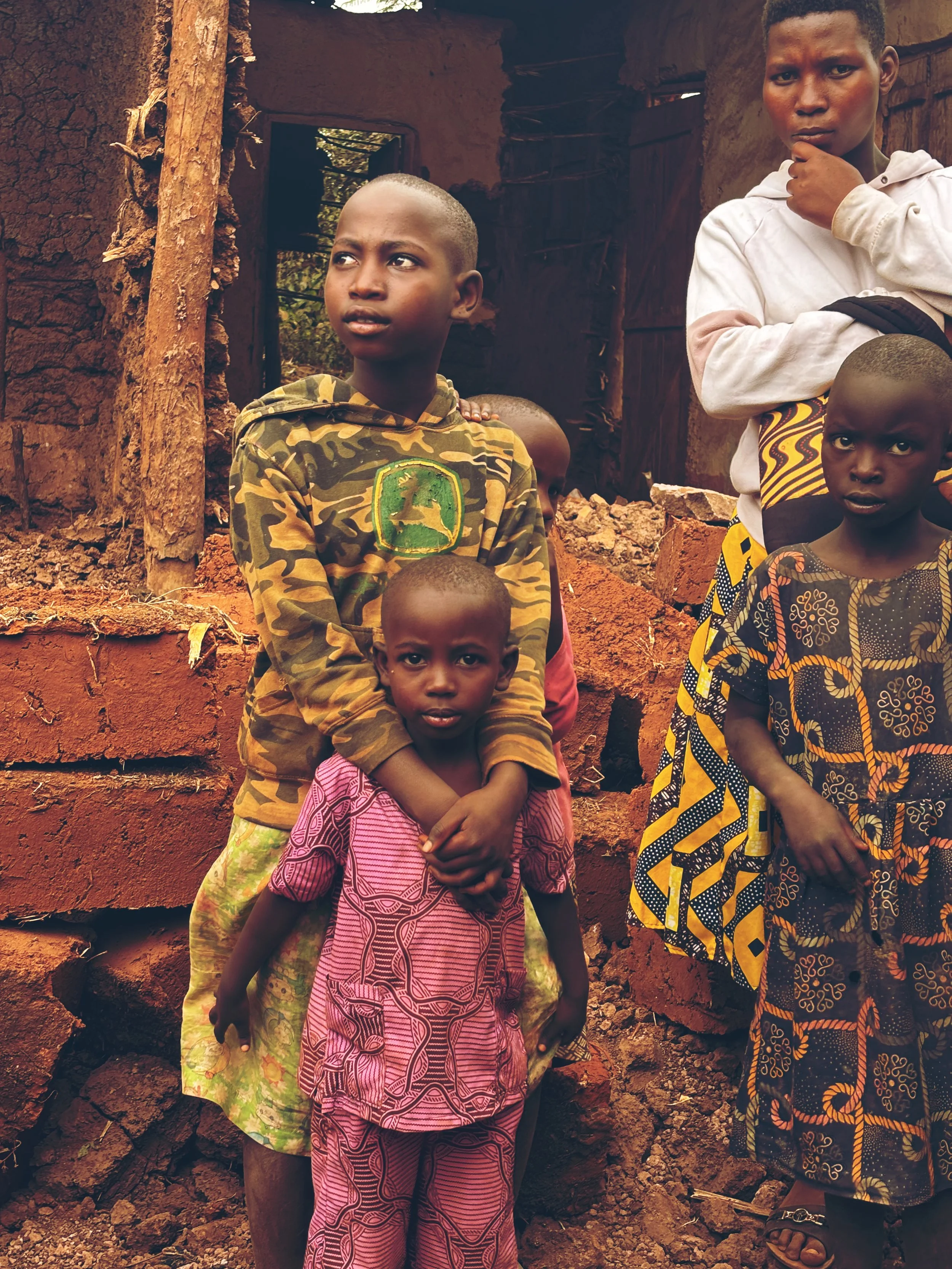
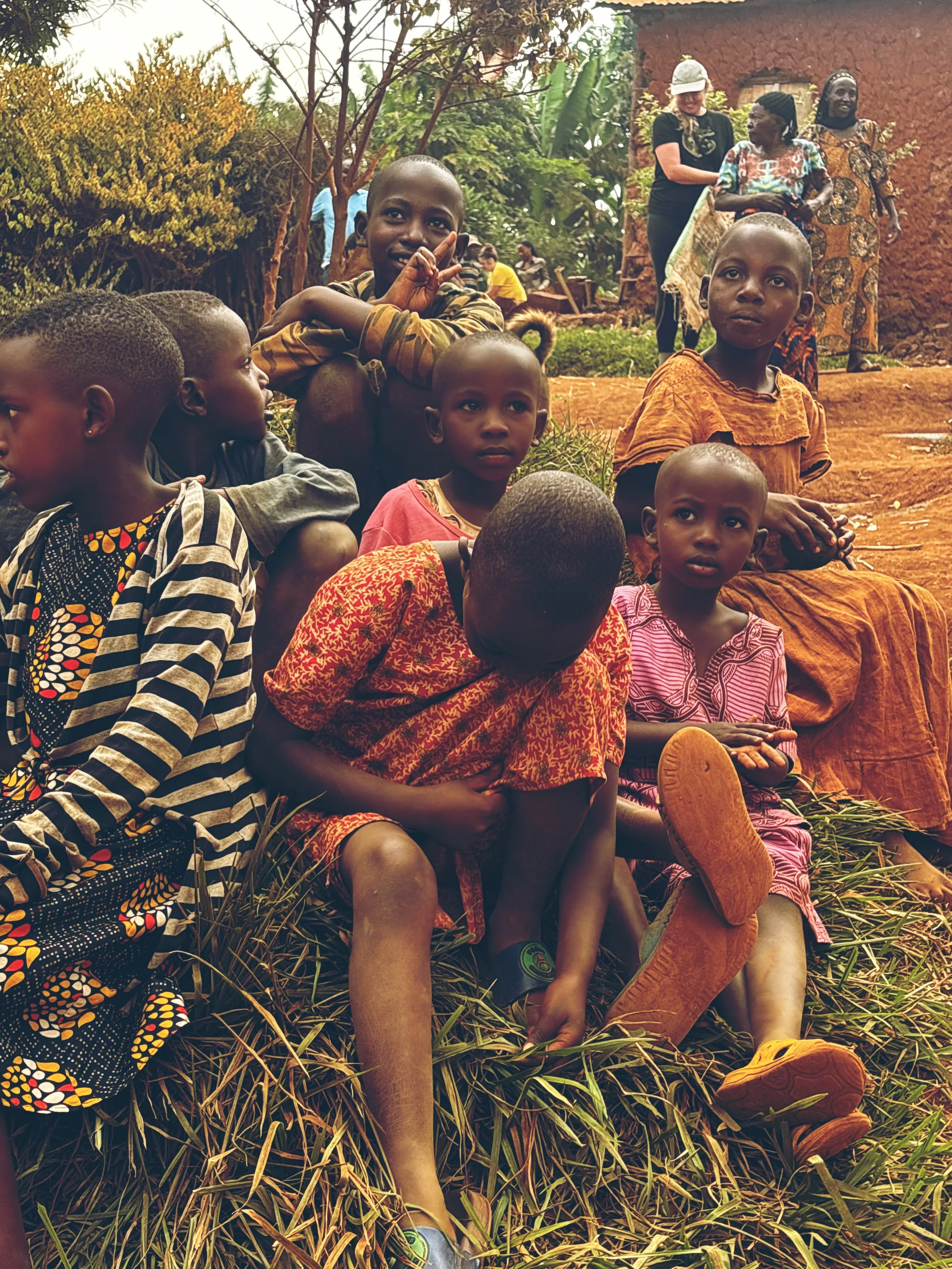
Visiting Rwanda provided me with a profound array of new memories, experiences, and perspectives that challenged and deepened my understanding of forgiveness, rehabilitation, and peace building. Immersing myself in Rwanda’s culture and history was an invaluable experience, one that reshaped my views on the complexities of reconciliation. Prior to my visit, my understanding of forgiveness and healing was limited, shaped largely by the context of America, where racial divisions, despite the coexistence of Black and white communities, persist with lingering animosity and an absence of true peace. In contrast, Rwanda’s approach to reconciliation—rooted in its unique historical and cultural context—presented a model of healing that was initially difficult for me to fully comprehend. However, as I explored the reconciliation village and listened to the personal stories of both survivors and perpetrators, I began to appreciate the depth and complexity of Rwanda’s process. Their model, though challenging to grasp at first, proved enlightening in its emphasis on collective healing, community engagement, and the profound connection between personal forgiveness and national recovery.
My initial understanding of peacebuilding was profoundly shaped by my experiences growing up in the United States, where historical grievances, racial tensions, and acts of hatred created a worldview steeped in division and conflict. The history of slavery, segregation, and racial violence left deep scars that continue to influence social dynamics today. Despite decades of effort toward racial harmony, deep-seated animosities between Black and white communities still persist, manifesting in systemic inequality, economic disparity, and social division. In this context, the concept of forgiveness is multifaceted, involving both personal reconciliation and the need for institutional reforms. It extends beyond individual acts of forgiveness to include societal healing, wherein communities and institutions confront historical wrongs in the hope of rebuilding trust. However, achieving genuine reconciliation in America is fraught with challenges. The persistence of systemic racism and institutionalized inequities, along with the lack of mutual understanding between different racial groups, creates formidable barriers to meaningful healing. In a society where past injustices continue to have a tangible impact on people's lives, the path to true forgiveness and peace requires not only addressing historical wrongs but also confronting the deep structural inequalities that perpetuate division.
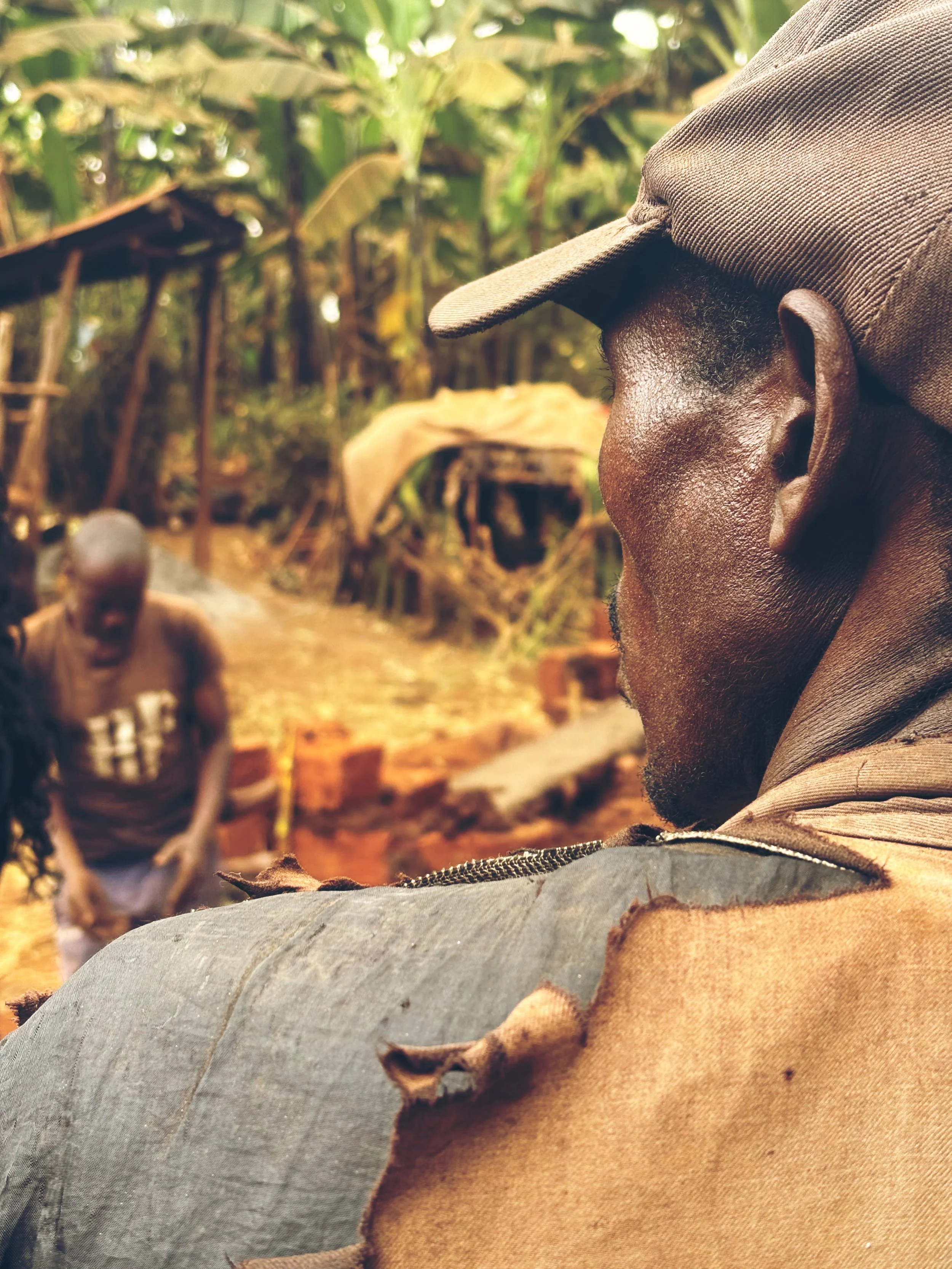
Growing up in this environment, I internalized these divisions and developed a certain understanding of peacebuilding that was informed by the racial tensions I witnessed. Yet, this understanding was limited and unable to account for the complexities of reconciliation in a post-conflict society. It wasn’t until I visited the reconciliation village in Rwanda that my perspective began to shift. Witnessing firsthand the process of reconciliation, where victims and perpetrators of the genocide came together to share their stories and seek mutual understanding, I encountered a model of forgiveness and healing that was unfamiliar and difficult to grasp at first. In Rwanda, the concept of reconciliation was not just about personal healing; it was a collective, community-based effort that sought to rebuild relationships and restore trust on a national level. This approach, deeply rooted in Rwanda’s unique history and culture, challenged my previous assumptions about the feasibility of forgiveness in societies divided by deep trauma. The experience was eye-opening, forcing me to reconsider what genuine reconciliation could look like in a context of profound historical pain.
Before visiting the reconciliation village, my ideas of peacebuilding were largely shaped by my experiences in the United States, where racial tensions, historical injustices, and social divisions remain deeply embedded. In America, despite ongoing efforts to promote racial harmony, the persistence of systemic inequality and cultural animosity creates a fractured environment where true reconciliation feels elusive. Forgiveness, in this context, is often seen as a deeply personal act, one that requires individual healing but also must be accompanied by larger institutional reforms. However, this process in the U.S. is fraught with difficulty, as deeply entrenched societal divisions and mistrust hinder efforts to move beyond the past. The path to reconciliation, both personal and collective, demands more than just addressing individual grievances—it requires a structural overhaul that confronts systemic racism and promotes equitable justice. Having grown up in such an environment, I was often left wondering whether true reconciliation could ever be achieved, and how to navigate the complexity of healing in a deeply divided society.
Visiting Rwanda, however, transformed my perspective on peacebuilding. The country’s approach to forgiveness and reconciliation is rooted in its unique history and culture, and the way it blends personal healing with national recovery is both inspiring and enlightening. Unlike the fragmented, individual-focused efforts often seen in the U.S., Rwanda’s reconciliation process is grounded in community engagement, storytelling, and a collective commitment to rebuild trust at both the personal and societal levels. One of the most powerful moments of my trip was witnessing a victim and perpetrator exchange testimonies. In one particularly moving moment, a survivor explained why she chose to forgive: "I forgave for me and for my country." Her words struck me deeply, as they reflected not only the immense personal pain she had endured but also her understanding that forgiveness was not just a personal act, but one that contributed to the collective healing of her nation. Her decision to forgive was an act of resilience, transcending personal suffering in order to participate in the broader national project of reconciliation. This moment underscored the essence of Rwanda’s approach to healing: it is not just about the individual; it is about restoring the social fabric and rebuilding the nation through community-driven efforts. Central to this process is the Gacaca court system, a community-based method of justice that promotes truth-telling and accountability, allowing victims and perpetrators to engage directly with one another. The Gacaca courts embody Rwanda’s commitment to collective healing, creating a space where individuals confront the past and work together toward a shared future.
This experience had a profound impact on me, both personally and intellectually. Witnessing the dedication and resilience of the Rwandan people in their pursuit of peace was truly transformative. I came to appreciate the incredible strength it takes to forgive in the face of unimaginable trauma, and I realized that Rwanda’s path to national reconciliation was neither easy nor linear. It required the willingness to confront painful truths, acknowledge past wrongs, and work toward a future where peace could take root. This understanding shifted my perspective on reconciliation, not only in Rwanda but also in my own life. Small conflicts with friends, peers, or family members now seem insignificant in comparison to the scale of the suffering that Rwanda has endured. I find myself reconsidering how I approach forgiveness and reconciliation in my personal relationships, realizing that even minor grievances can often be an obstacle to healing and unity. If the Rwandan people, who have endured such deep collective pain, can forgive, it challenges me to reconsider how I address conflicts in my own life and the role of forgiveness in the healing process.
On a broader scale, this experience has also shifted my perspective on the possibility of reconciliation between Black and White communities in the United States. For years, I struggled to imagine how the deep divides between these communities could ever be bridged, particularly given the historical weight of slavery, segregation, and the ongoing legacy of racial injustice. However, learning about Rwanda's approach to reconciliation has renewed my hope for healing and unity. Rwanda’s model, built on community engagement, truth-telling, and restorative justice, offers a blueprint for how we might begin to address the persistent racial divides in America. In Rwanda, reconciliation is not just a series of isolated actions or superficial gestures; it is an ongoing process that involves the entire community in confronting the past, seeking justice, and collectively working toward a shared future. Central to this approach is the Gacaca court system, which fostered communal responsibility and helped to rebuild social cohesion in the wake of the genocide. This model emphasizes the importance of creating spaces for open dialogue, where individuals can share their experiences, acknowledge past wrongs, and work toward mutual understanding. Rwanda's example demonstrates the power of community-based solutions in addressing historical trauma and rebuilding trust between communities.
If America were to adopt elements of Rwanda’s approach, it might offer a way to address the deep divisions that persist between Black and White communities. Facilitating open dialogues, such as community conversations or truth commissions, could allow individuals from different backgrounds to come together, share their experiences, and deepen their understanding of one another’s perspectives. Restorative justice practices could replace punitive measures, creating opportunities for healing rather than perpetuating cycles of retribution. Community-driven initiatives that foster collaboration and collective action might strengthen social bonds and build trust among diverse groups. However, any reconciliation efforts in the U.S. would need to take into account the unique challenges posed by systemic racism and the legacy of slavery and segregation. The historical context in the U.S. is different from Rwanda’s, and the path to healing here will require a more nuanced and sustained approach. Nevertheless, the principles underlying Rwanda’s reconciliation model—community engagement, truth-telling, and collective healing—offer valuable insights into how we might begin to repair the fractured social fabric in America.
In conclusion, my visit to Rwanda was a transformative experience that reshaped my understanding of forgiveness, reconciliation, and peacebuilding. Immersing myself in Rwanda's culture and observing its reconciliation processes provided me with profound insights into how a society can heal from generational trauma. Rwanda’s approach, deeply rooted in its unique history and cultural context, offered a new perspective that was both challenging and enlightening. This experience not only broadened my view of reconciliation but also renewed my hope for the possibility of meaningful change in my own country, a hope I once felt was lost.
August 2024
Written and photography by Jada Corey